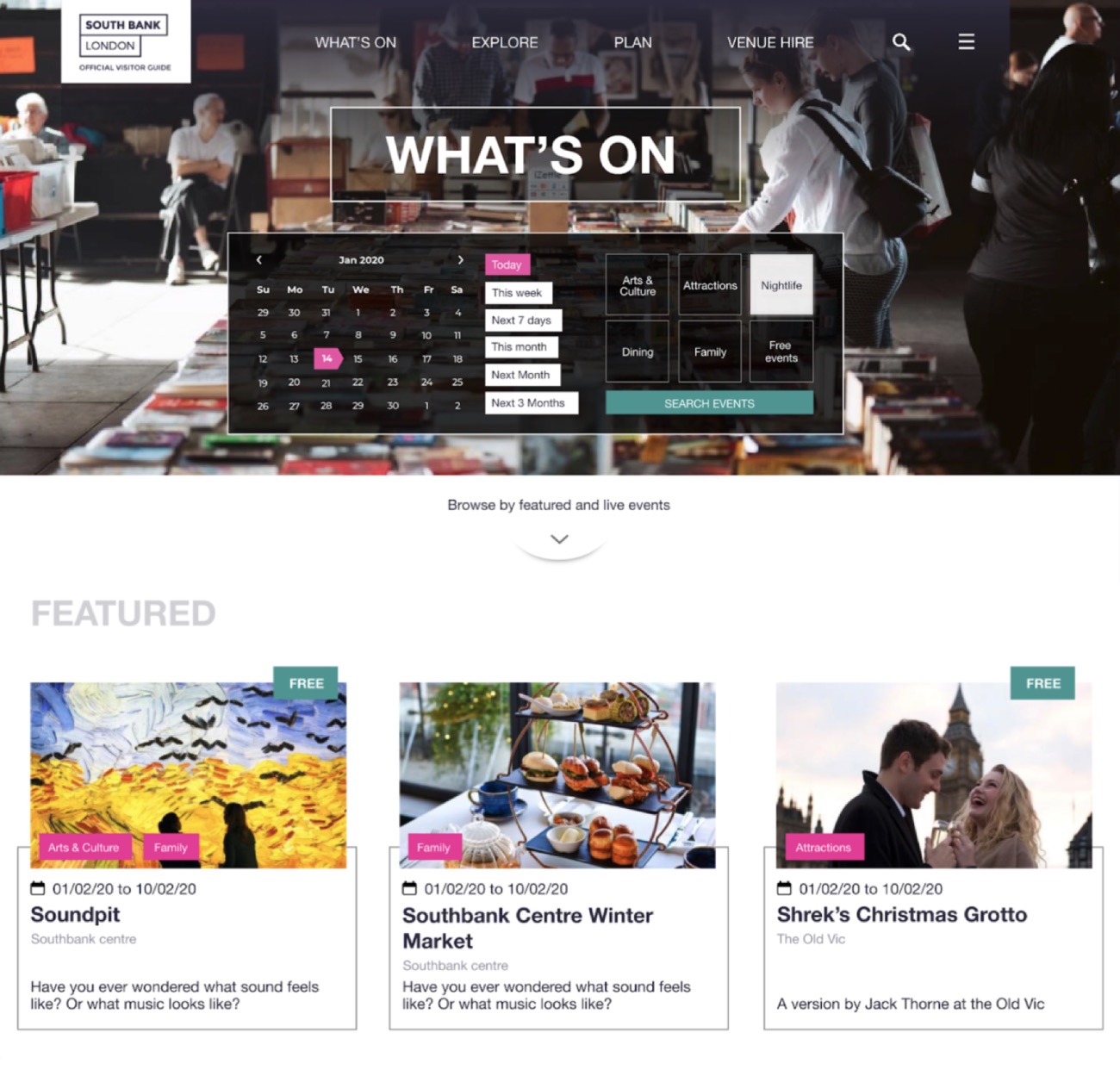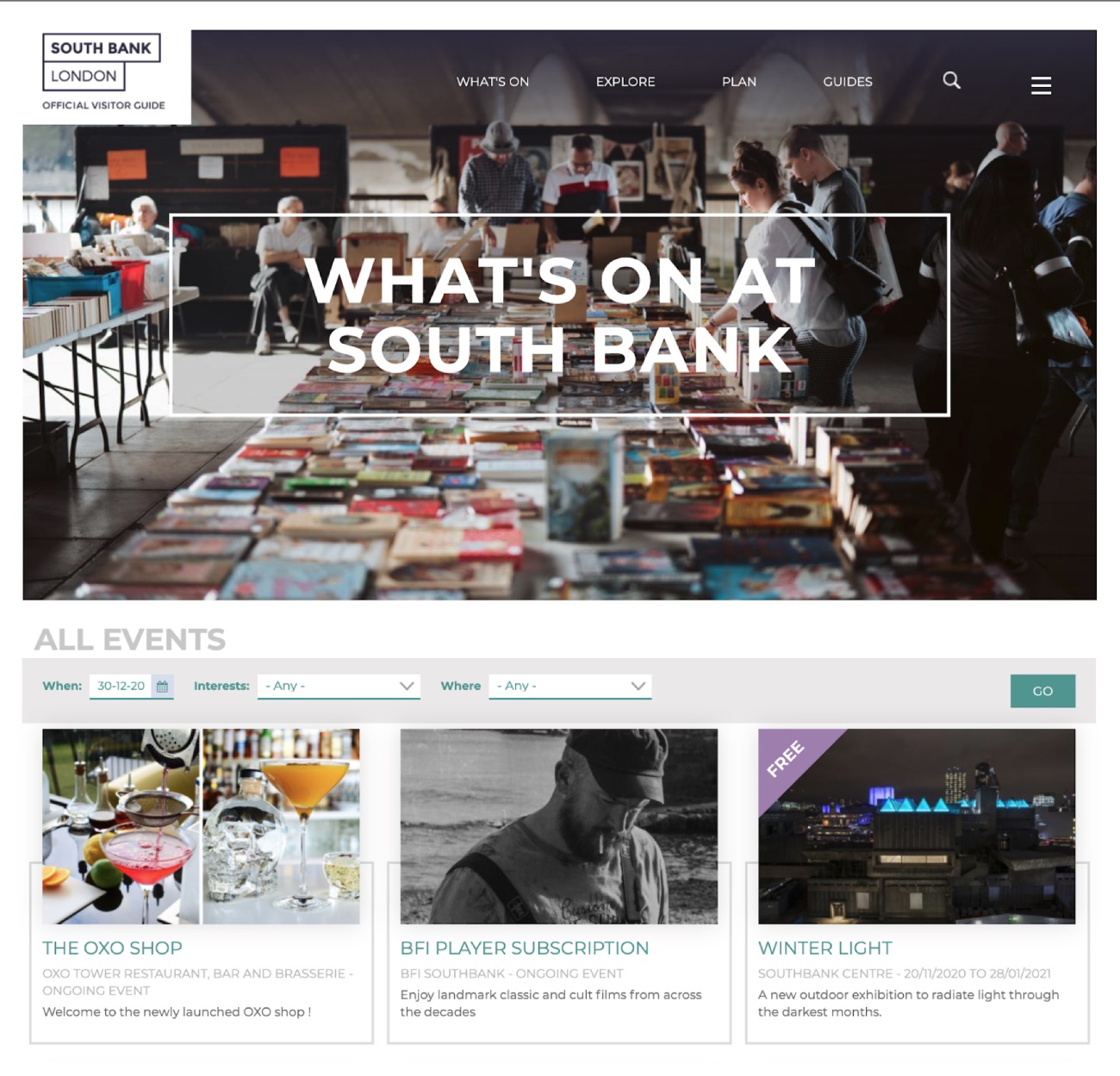
To understand user behavior on this specific section of the website, we leveraged a custom dashboard connected to Google Analytics and Google Tag Manager. This enabled precise tracking of each element’s usage.

Analysis revealed that certain features were seldom used on mobile, the platform’s primary traffic source, while others were consistently engaged with by almost all visitors.

These insights informed our discussions with the client on optimising the page’s structure for improved user experience, guiding us towards a focused redesign to better meet user needs and achieve the client’s goals.

Addressing the client’s primary concern of enhancing the filtering system for improved clarity and usability, I developed user flows and information architecture diagrams.

These documents detailed the proposed changes to the filtering system and their anticipated effects on page navigation, aiming to streamline the user experience.

Once we were given the go-ahead, we advanced to wireframing and prototyping. This enabled rapid creation and testing of designs, putting prototypes quickly into users’ hands.

Feedback from both the client and product team guided us to select the most suitable solution that balanced user needs with financial considerations.

Following client approval of the wireframes and prototypes, our focus shifted towards reimagining the page’s aesthetics, guided by two key principles:

Incorporating design elements from other website sections to enhance user familiarity and ensure visual consistency.

Simplifying visual components from the previous version to improve accessibility and ease of maintenance from a front-end development standpoint.

The outcome was a user-friendly interface that adhered to brand guidelines, featuring high-contrast colors for secondary elements, facilitating a clear and intuitive user experience.

To confirm the effectiveness of our design choices and achieve the best possible user experience, we initiated user testing sessions.We selected participants aligning with our target audience characteristics, instructing them to navigate the newly redesigned What’s On page through a series of tasks.

Observing their interactions and gathering feedback, we uncovered critical usability challenges, user difficulties, and opportunities for enhancements. This process of user testing enabled us to fine-tune our design, incorporating evidence-based adjustments that culminated in a more intuitive and user-focused interface.